
Chewing Gum Ban
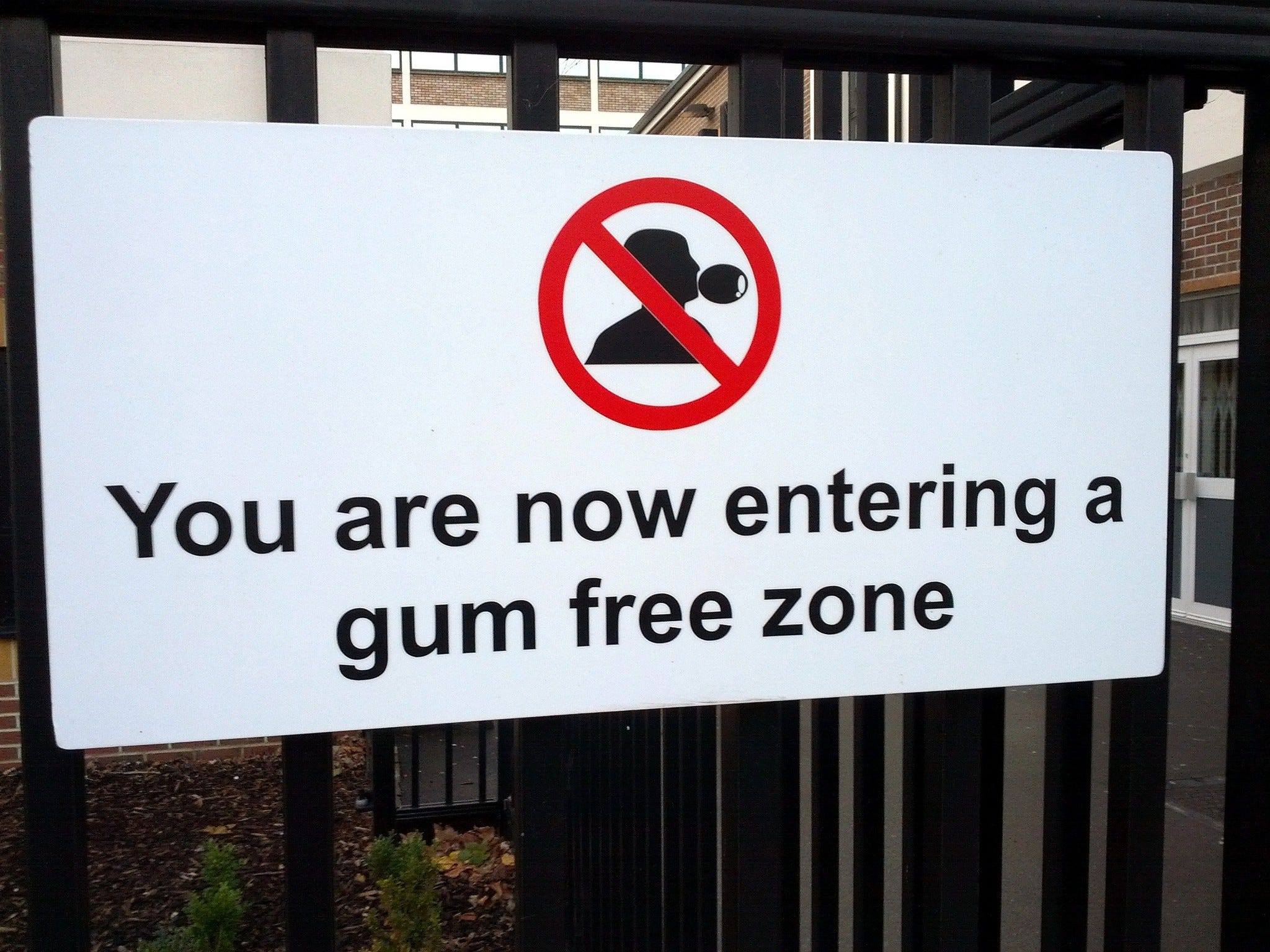
Singapore's obsession with being clean and green famously led to the ban of chewing gum in 1992, but was the situation really that bad?

You are now enjoying SGExplained Print - the accompaniment newsletter to the SGExplained Podcast. Our main articles are for our paid subscribers but this is a cheeky tease to give you a taste of what you’ll be getting with your subscriptions. Read through and if you would like to support us in our journey to understand the Singapore identity, there will be a special promo at the bottom for you!
Check out the Podcast
If you have not listened to our podcast yet, you can follow the timeline of the Chewing Gum ban as well as the reactions from people around the world by giving the episode a listen! The newsletter will cover bonus content not covered in the podcast.
How bad was the Chewing Gum problem?
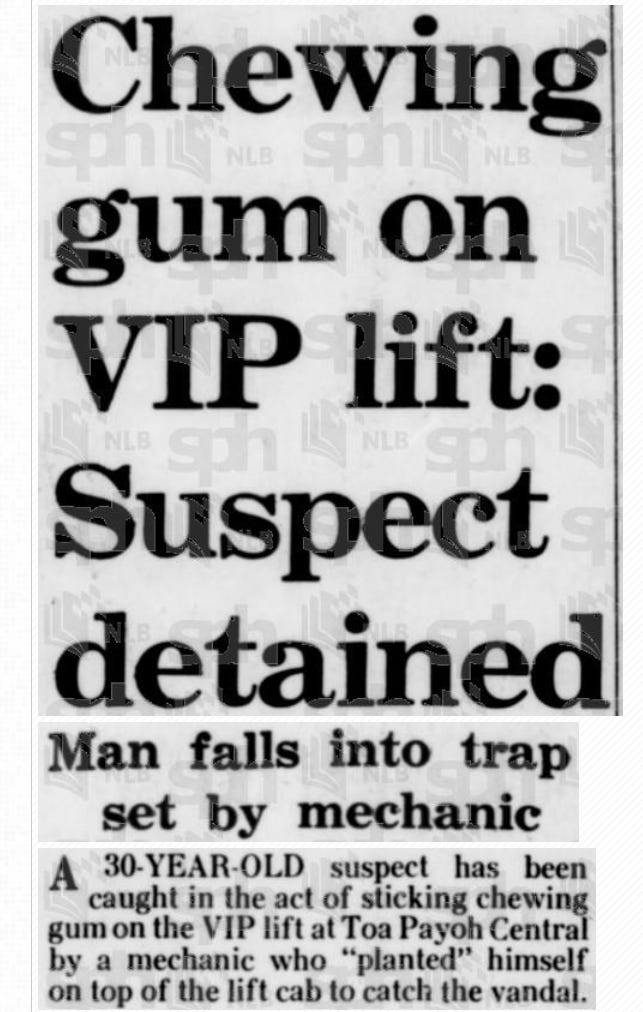
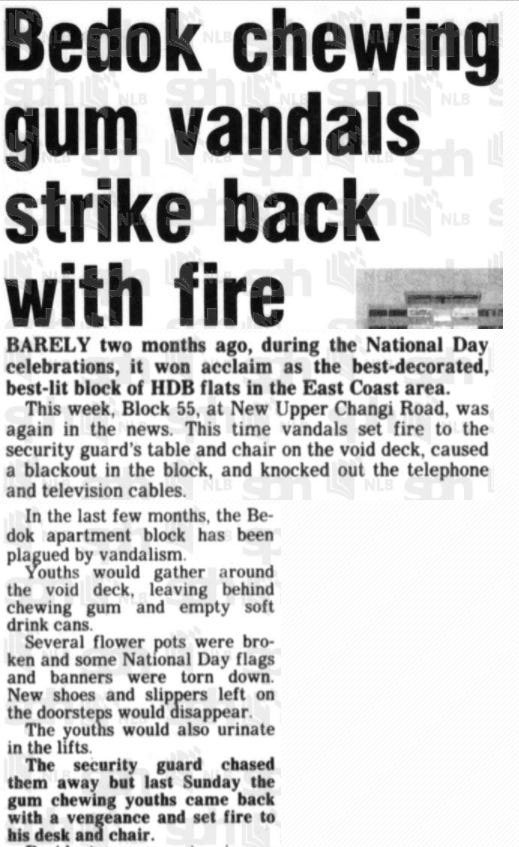
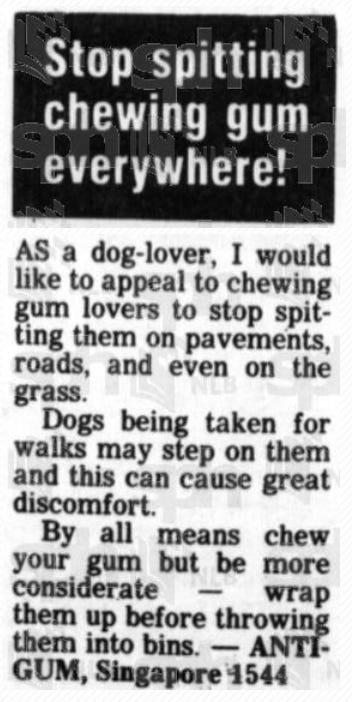
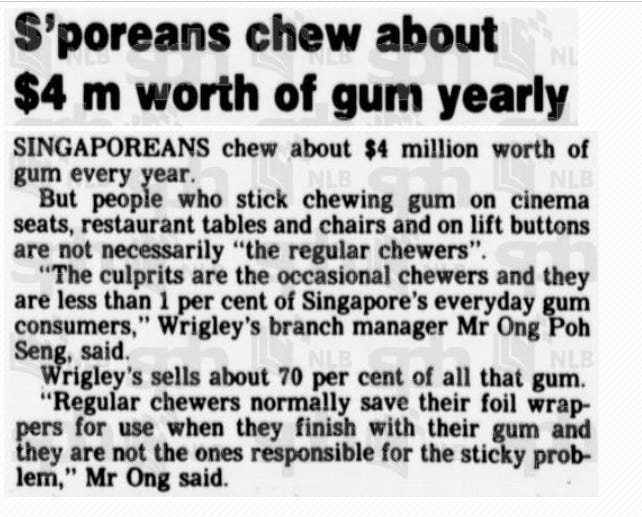
Chewing gum was not just an annoying nuisance - there were full-fledged vandals going around Singapore tormenting regular Singaporeans with jammed lifts and sticky pavements. The cost of cleaning up these public facilities ran up to $150,000 a year1 (~$600,000 in today’s terms) and the frequent mishaps were starting to get on everyone’s nerves.
Of course, not everyone hated chewing gum. There were regular consumers who found the practice of regularly chewing gum to add to their “cool” aesthetic, especially when they would go on dates or to the movies2. Provision shop owners (aka “mama shop owners”) also were reaping decent profits from having the gums be easily purchasable at their outlets. It’s no surprise then that when the ban was eventually implemented in 1992, sentiments were split.
The Aftermath of the Ban
Given that the ban was mostly implemented to protect Singapore’s precious new MRT system (more fun details in the podcast!), public reaction was divided. The Consumers Association of Singapore (CASE)3 leaned in favour of the ban, claiming that majority of Singaporeans were actually non-consumers of chewing gum. Other supporters of the ban gave similar reasons.
However, critics felt that the ban was too extreme and suggested that more intensive public education efforts should be made instead, along with heavier fines for the vandals who were mostly causing these problems. Naturally, some viewed it as an infringement on the rights and freedom of Singaporeans. Perhaps, the most unfairly hit were the store owners because they were left with stocks of chewing gum which they could not sell or export overseas because of the strong Singapore currency and high import duties at that time.4
Vested Interests and the exceptions to the ban
Fast forward to the early 2000s. The US-Singapore Free Trade Agreement (FTA), then being negotiated, was a big deal for Singapore since it would be the first Asian country to sign an FTA with the major economy. However, Wrigley, a US chewing gum manufacturer, was insistent on chewing gum being part of the agenda before the FTA could be concluded.
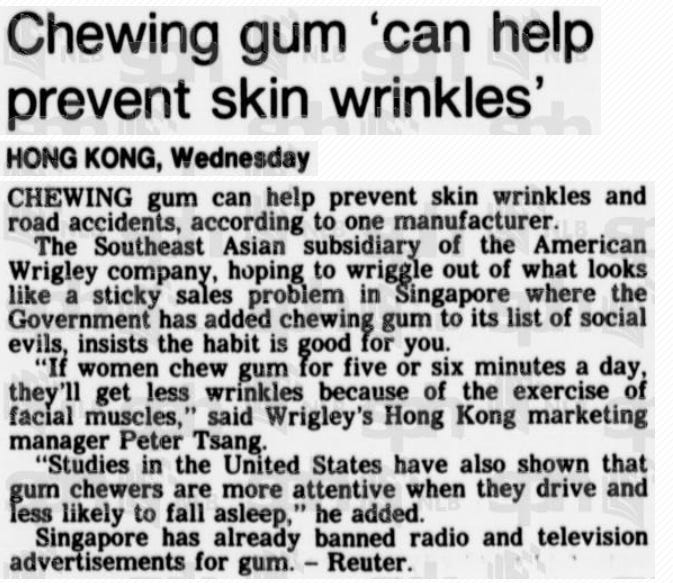
While Singapore was a small market for the company, something about a whole country banning the use of its products didn’t seem to sit right with the Chicago institution. Prior to the ban, the company had already been attempting to lobby and educate in favour of chewing gum, but the US-Singapore FTA provided a promising platform for it to advocate once again. Christopher Perille, Wrigley's senior director of corporate communications had this to say5:
There's many examples in our history of things that may have not made short-term financial sense but was the right thing to do in a philosophical or long-term sense…

Its efforts were successful because the sale of therapeutic, dental, and nicotine chewing gum was made legal in 2004. Wrigley wasted little time to come back in full force, advertising brands such as Orbit gum with dentists and pharmacists. Burnett Singapore's (the ad agency for Wrigley in Singapore) managing director John O’ Shea said6,
Singaporeans need to know that Wrigley is back to stay. We need to make sure we have a campaign that can run and run. This is a brand that is going to be around for the long term and become part of people's lives
What does this mean for the Singapore Identity?
Every country has its quirks. For example, in Nebraska, USA, If a child burps during church, his parent may be arrested.7 Singapore’s brand has evolved monumentally since 2004, but when we were first getting our name on the map, the chewing gum ban definitely contributed heavily to the “Fine City” moniker that we’ve come to affiliate with the country. Of course, to Singaporeans, this was a necessary step to being a clean, green, and first-world city. The road to success was going to take sacrifices and chewing gum was going to be one of them. As Lee Kuan Yew8 himself said,
If you can't think because you can't chew, try a banana
Some may even say Singapore was ahead of its time, as cities such as London9 and Hong Kong10 have also explored the ban as a means to clean up its sticky city, citing our city-state as an exemplar. Who would have thought that a controversial ban could grab such global attention?
If you enjoyed this newsletter, do consider becoming a paid subscriber to help support our content creation efforts. Each podcast is jam-packed with research, interwoven with perspective and occasional guest insights, and the newsletter gives you bonus content including pictures, links, and other visual treats. We plan to release around one newsletter a week so your contribution will be well rewarded.
For being an early reader (or a friend and family), we have a special promo for you! We hope you join us in our community!
Chewing gum ban - NLB infopedia
Imagining Life Before Chewing Gum Ban In Singapore - CNA Insider
Case backs ban on chewing gum for good of the environment - The Straits Times
Ministry acts against 5 stores for selling gum - The Straits Times
Wrigley maps Singapore return plan - Campaign Asia
10 weird laws call Nebraska home - The Daily Nebraskan
Jamie Oliver calls for a Singapore-style ban on chewing gum in public - Independent